A Deep Study Exactly How Event Management Works to Create Remarkable Experiences
Event management is a complex technique that integrates numerous aspects to craft unforgettable experiences. It needs a clear understanding of the event's purpose and target market. Coordinators have to navigate budgeting, logistics, and advertising and marketing to guarantee a smooth implementation. Each element plays an essential function in attaining the desired impact. The trip does not end with the event itself. There are understandings to discover that can form future undertakings.
The Basics of Event Management
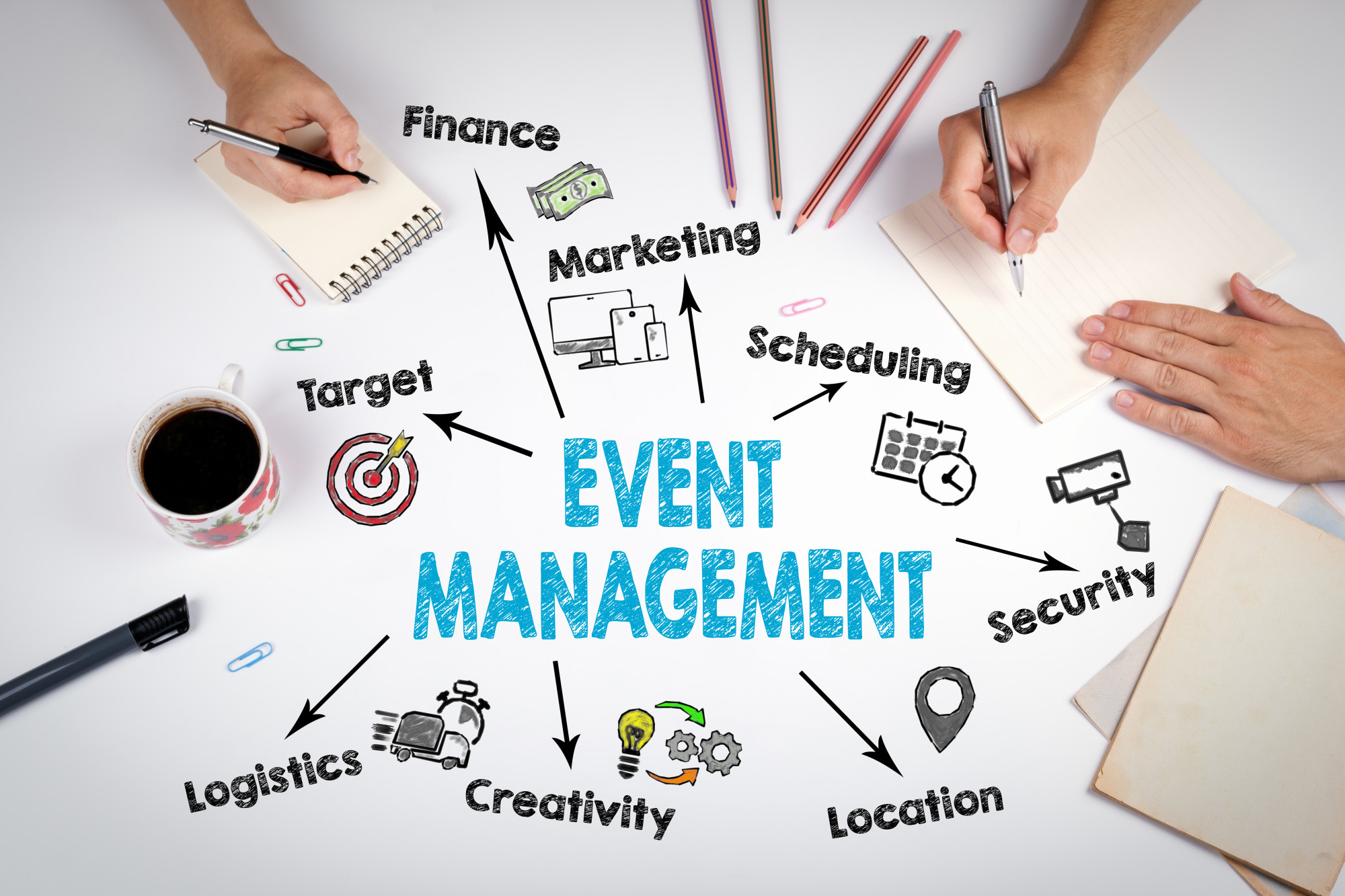
Efficient event management includes a variety of important concepts that assist the planning and implementation of effective occasions. At its core, it includes comprehending the event's objective, target market, and wanted end results. Recognizing the target market is essential, as it informs decisions connected to web content, marketing, and logistics.
Budgeting is another basic element, assuring that sources are allocated efficiently while satisfying the event's goals. This consists of preparation for unpredicted costs that may develop.
Time management plays a vital role, as event managers need to create a thorough timeline to work with numerous tasks and milestones.
Additionally, effective communication among stakeholders, suppliers, and staff member is vital to guarantee positioning and stay clear of misconceptions.
Threat management have to be thought about, with backup plans in area to resolve prospective challenges, thereby boosting the overall experience for participants and assuring a seamless implementation of the event.
Key Roles in Event Preparation
In event preparation, comprehending key duties is crucial for effective execution. The event organizer is in charge of looking after logistics and making sure all aspects line up with the vision. Additionally, efficient supplier management is crucial for maintaining high quality and cultivating strong collaborations throughout the planning procedure.
Event Coordinator Responsibilities
An event organizer coordinates the complex components of event planning, making sure smooth execution from conception to verdict. They are accountable for conceiving the event motif, setting budget plans, and developing timelines to keep the job on course. Coordination with stakeholders, including customers, place supervisors, and volunteers, is vital to line up assumptions and facilitate interaction. The planner likewise looks after logistics, such as event catering, transport, and modern technology needs, making certain all elements work harmoniously. They carry out site sees, handle schedules, and troubleshoot issues that might develop during the event. Post-event, the organizer reviews the event's success, collecting feedback and evaluating results to notify future jobs. This diverse role requires solid organizational skills, focus to detail, and effective interpersonal communication.
Supplier Management Essentials
Guiding via the landscape of supplier management is essential for successful event planning. Reliable supplier management entails recognizing, picking, and coordinating suppliers that give essential solutions, such as wedding catering, audiovisual assistance, and decor. Event organizers have to keep solid communication with suppliers to ensure that all elements align with the event's vision. Key duties consist of the vendor manager, that manages contracts and negotiations, and the logistics planner, liable for on-site configuration and execution. It's vital to establish clear expectations and timelines, promoting a collaborative atmosphere that enhances the total experience. By focusing on these aspects, event planners can browse prospective challenges, making certain that every detail contributes to a smooth and unforgettable event.
Crafting a Vision: Principle Advancement
As soon as a vision is established, it becomes vital to equate it right into actionable elements. This includes specifying the atmosphere, selecting appropriate venues, and establishing the event's style. Teaming up with stakeholders, consisting of enrollers and partners, better fine-tunes the concept, making certain that all parties share a combined understanding of the event's function. Inevitably, a strong vision not just enhances attendee engagement but likewise establishes the stage for unforgettable experiences that reverberate long after the event concludes.
Budgeting and Source Allowance
With a clear vision in place, the following step in event management involves cautious budgeting and source allocation. This important stage warranties that all necessary elements are moneyed and aligned with the event's objectives. Event managers start by approximating prices connected with location choice, food catering, entertainment, and marketing. They develop a detailed budget that outlines each category, enabling transparency and liability.
Resource allotment extends beyond finances; it additionally incorporates human sources. Recognizing group functions, responsibilities, and timelines is necessary to guarantee performance. Event supervisors have to also take into consideration backups for unforeseen expenditures or changes in extent, establishing a barrier within the budget plan.
Prioritizing spending on elements that enhance visitor experiences is essential. By strategically allocating sources, event supervisors optimize effect while keeping financial control. This disciplined approach not only promotes effective occasions but also builds credibility and trust fund with stakeholders and participants.
Logistics: The Foundation of Event Execution
While budgeting prepares for an occasion, logistics serve as its foundation, assuring that every aspect is implemented smoothly and successfully. charlotte event companies. This encompasses a vast variety of tasks, navigate to these guys consisting of location option, transportation arrangements, and equipment procurement. Reliable logistics management calls for meticulous planning and sychronisation to ensure that all components align with the event's timeline and goals
Secret parts of logistics consist of inventory management, where supplies and materials are tracked to avoid scarcities, and staffing, which entails recruiting and training workers to take care of numerous jobs. Communication is also crucial, as it facilitates partnership among vendors, enrollers, and the event group.
Marketing and Promotion Techniques
Reliable marketing and promotion techniques are important for optimizing attendance and engagement at an occasion, as they create passion and exhilaration amongst prospective participants. Event managers use a mix of conventional and digital marketing strategies to reach their target market. Social media platforms, e-mail projects, and targeted ads are frequently used to produce buzz and foster neighborhood interaction. Cooperations with influencers or industry leaders can enhance reputation, while involving material such as video clips and endorsements can resonate with possible guests.
Additionally, leveraging event-specific hashtags and creating shareable graphics urges natural promo amongst guests. Early bird ticket deals and special promotions can incentivize enrollment, additionally boosting passion. A properly designed site that offers simple navigating and clear details about the event can boost the user experience. By executing these advertising and promo methods, event managers can guarantee greater visibility and ultimately develop an unforgettable experience for all participants.

Gauging Success: Feedback and Analysis
Success in event management copyrights on robust responses and assessment devices. These processes are important for establishing the performance of an occasion and determining locations for renovation. By gathering input from participants, organizers can evaluate complete satisfaction degrees, comprehend choices, and gauge general influence. Surveys and meetings function as important devices for gathering quantitative and qualitative information, enabling detailed analysis.
Furthermore, reviewing essential efficiency indications (KPIs) such as attendance rates, interaction degrees, and roi (ROI) gives a clearer image of event success. Post-event debriefing sessions with the preparation team also contribute understandings, promoting a culture of continuous enhancement.
Inevitably, an organized approach to comments and examination not just boosts future occasions but also strengthens connections with stakeholders. By carrying out these approaches, event supervisors can develop memorable experiences that resonate with participants and drive continuous interaction.
Often Asked Concerns
Just How Do Event Supervisors Manage Unanticipated Obstacles Throughout an Occasion?
Event supervisors attend to unforeseen obstacles by remaining calm, reviewing the scenario, and applying backup plans - charlotte event companies. They connect efficiently with their group, adjust rapidly, and prioritize services to ensure the event proceeds efficiently and efficiently
What Technology Tools Are Vital for Modern Event Management?
Necessary modern technology tools for modern event management include event registration software program, task management applications, participant interaction systems, and analytics devices. These sources streamline processes, enhance interaction, and boost general event experiences for organizers and participants alike.
How Do Cultural Differences Effect Event Planning and Implementation?
Social distinctions significantly influence event preparation and implementation. They affect themes, customizeds, interaction designs, and moved here assumptions, demanding customized approaches to assure inclusivity and regard, eventually shaping the overall experience and success of the event.
What Are the Ethical Factors To Consider in Event Management?
Moral considerations in event next page management include openness, sustainability, social sensitivity, and inclusivity. Coordinators have to focus on justness, regard diverse target markets, reduce environmental effect, and guarantee availability to create accountable and remarkable experiences for all participants.
Just How Can Sustainability Be Integrated Into Event Planning?
Sustainability can be integrated right into event preparation by utilizing eco-friendly products, reducing waste, sourcing regional suppliers, executing carbon countered programs, and advertising digital options to lower paper usage, thus boosting ecological consciousness within the event's structure.